
In the Global Thucydides project, the research team defined the scholarly structure of the catalogue, the criteria for selecting and organizing information, and conducted the collection, verification, and analysis of bibliographical data. Edizioni Ca’ Foscari (ECF) supported this work with a complementary contribution of design, development, and implementation of the digital infrastructure required for the online publication and consultation of the database.
Based on the scholarly specifications provided by the principal investigators, ECF developed a dedicated backend for uploading, managing, and updating data. This involved defining a data model consistent with the types of records envisaged (editions, translations, commentaries); designing a structured import process based on Excel files supplied by the researchers, including validation, normalization, and consistency checks; and configuring relationships between fields, including the management of geolocation data (lat/long) for map-based visualization.
In connection with the backend, ECF implemented an internal workflow through EditorialFlow, which acts as a bridge between the data-entry phase (managed by the researchers) and the generation of the published contents. This includes a visual preview system and an internal communication channel for checking data before publication.
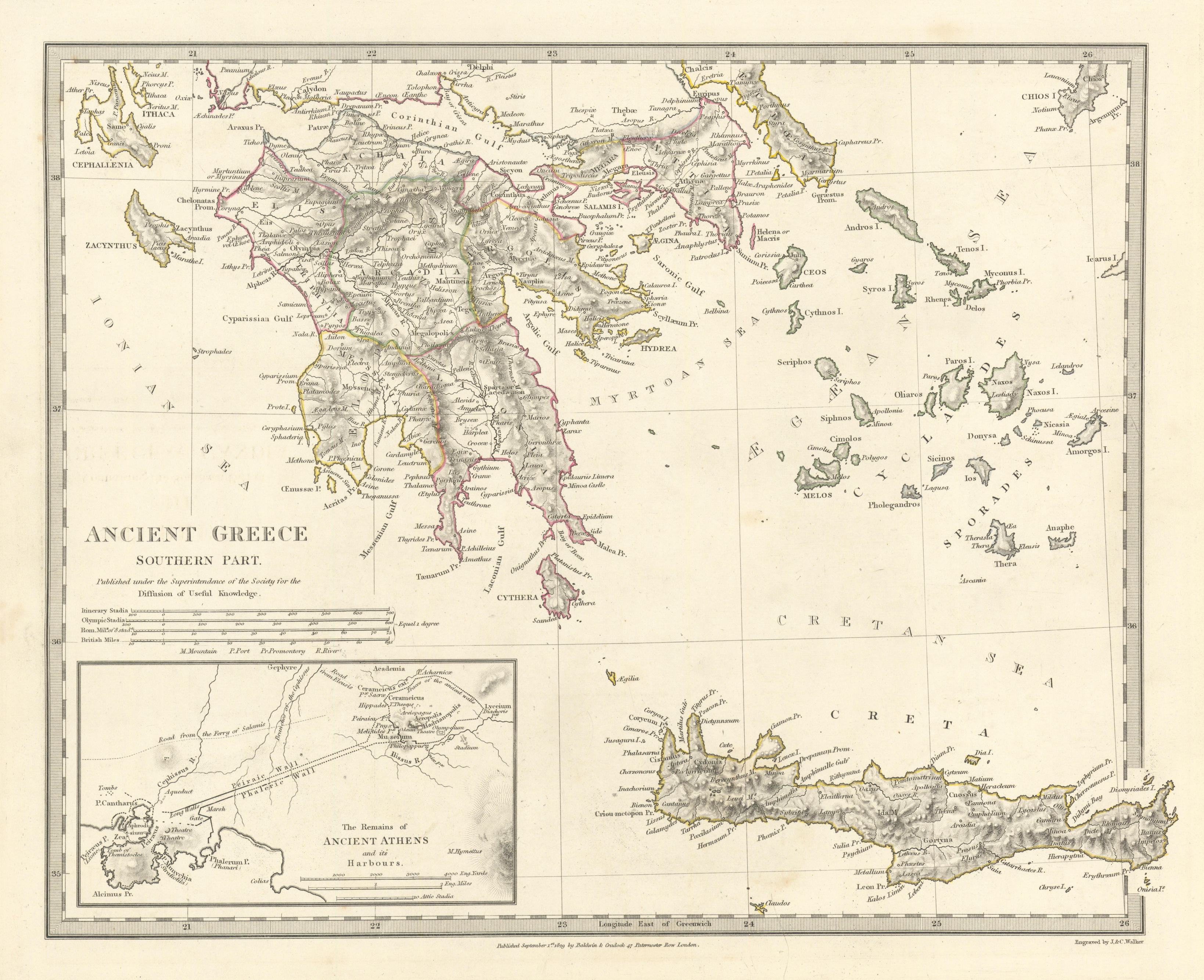
The contents are then exposed via a REST API (‘pull’ model) that automatically feeds the public website. On the publication side, ECF developed a static site generated from the API, optimized to ensure stability and long-term availability of the content; custom templates for the display of individual records; search and filtering features by century, language, and typology; an interactive mapping system with clustered pointers when multiple works are associated with the same location; and a module for displaying biographical information linked to individual authors and translators.
The design also provides support for DOIs, view/download tracking, and a clear separation between editorial workflows for projects and those for journals or book series, ensuring that the Global Thucydides workflow operates in a dedicated and isolated environment.
The result is a digital infrastructure tailored to the needs of the scholarly project and designed to allow for continuous updating of the catalogue, thanks to the separation between the data-entry environment, the transformation pipeline, and the publication layer. The entire system is conceived to be extensible to future projects with similar characteristics in the field of digital humanities, where the combination of editorial expertise, data modeling, workflow automation, and API-based publication technologies is required.